
REGISTER FOR ASHRAE REGION III CRC 2026

Countdown to CRC
About Technical Sessions
The technical sessions at ASHRAE Chapters Regional Conferences (CRCs) serve a core purpose rooted in one of the Society's most fundamental missions: the dissemination of technical information for the benefit of all members and the general public. The sessions take place on Thursday, Augusts 13th and will provide HVAC&R professionals with direct access to the latest advancements in the fields of interest of the Society, drawing upon both real-world experience and the results of ongoing research. Conducted at regional conferences held each fall and spring across ASHRAE's global network of chapters, technical sessions are specifically designed to educate attendees and attract broader participation from members who may not otherwise be engaged in Society activities.
The 2026 ASHRAE Region III CRC will feature 4 half-day technical seminars featuring multiple subject matter experts on topics relevant to the HVAC&R industry.
AM Technical Sessions
PM Technical Sessions
- Achieving Integrated Resilience and High-Performance IEQ and Plumbing
- AI-Powered Building Controls: From Reactive Maintenance to Resilient, Standards-Based Operations
Your full CRC registration includes tickets to both the AM and PM technical sessions, allowing you the opportunity to attend any or all of the seminars. However, if you are unable to attend the CRC, but would still like to attend the technical sessions, you can buy individual tickets below (breakfast and/or lunch are included).
AM Technical Sessions
Government Affairs Matter in the Built Environment
This session explores the evolving role of government affairs in shaping policy and standards for the built environment, focusing on the critical intersection of federal legislation, building codes, and industry advocacy.
8:00-8:45 AM
ASHRAE's Government Affairs Office will be presenting an overview of their mission and key activities the last Society year that impact the design engineers, facility managers, and other building professionals.
8:45-9:45 AM
Moderator: Alice Yates, M.S. is ASHRAE's Managing Director of Government Affairs, has over 25 years of experience in legislative development, policy analysis, and government advocacy, including previous roles at the U.S. General Services Administration (GSA), the United States Senate, and MassDevelopment, and holds a B.S. in Electrical Engineering and an M.S. in Technology and Policy from MIT.
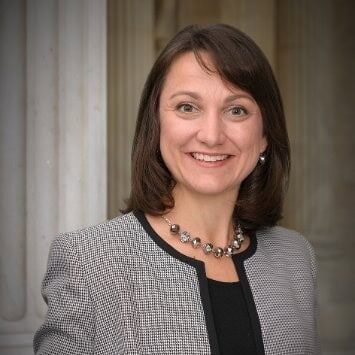
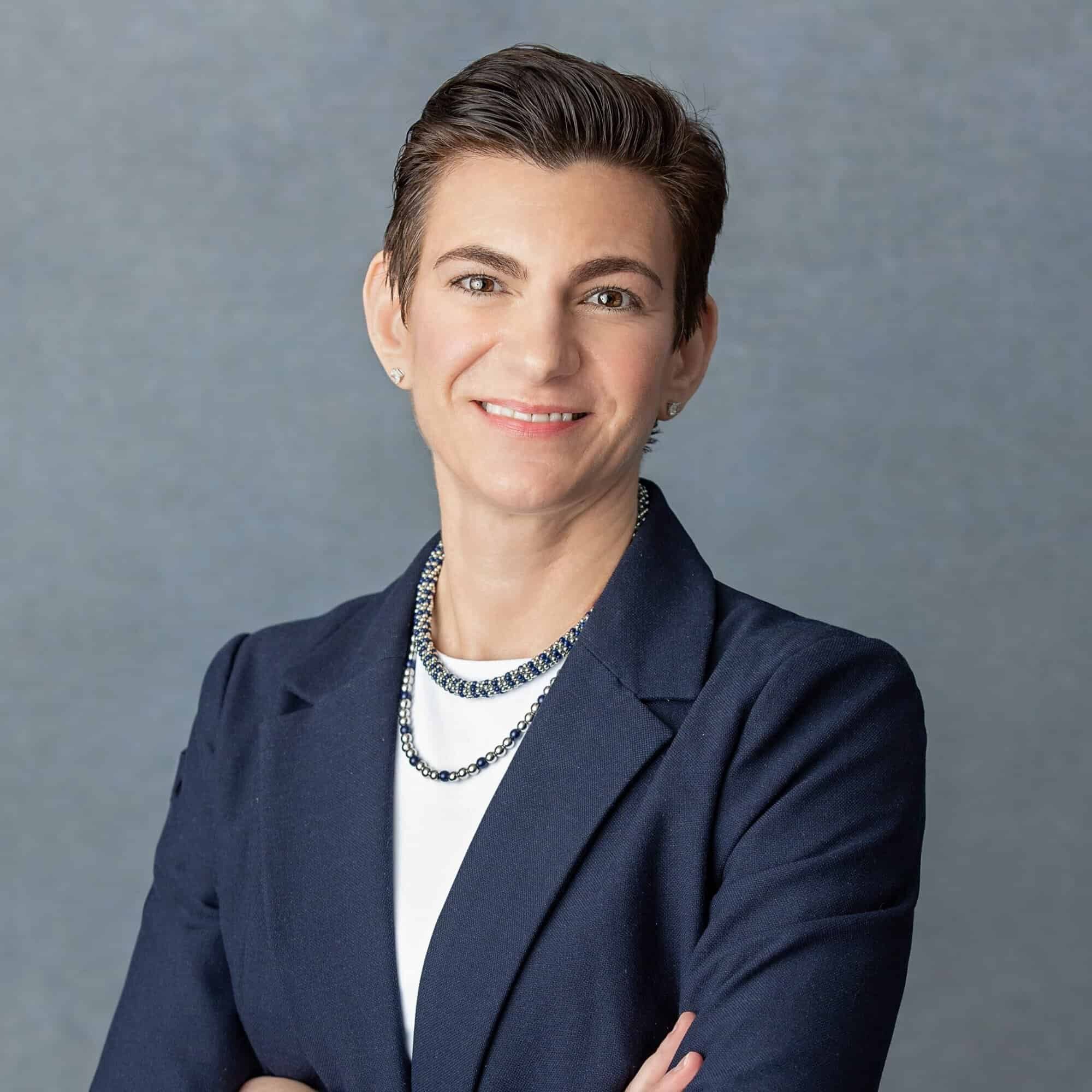
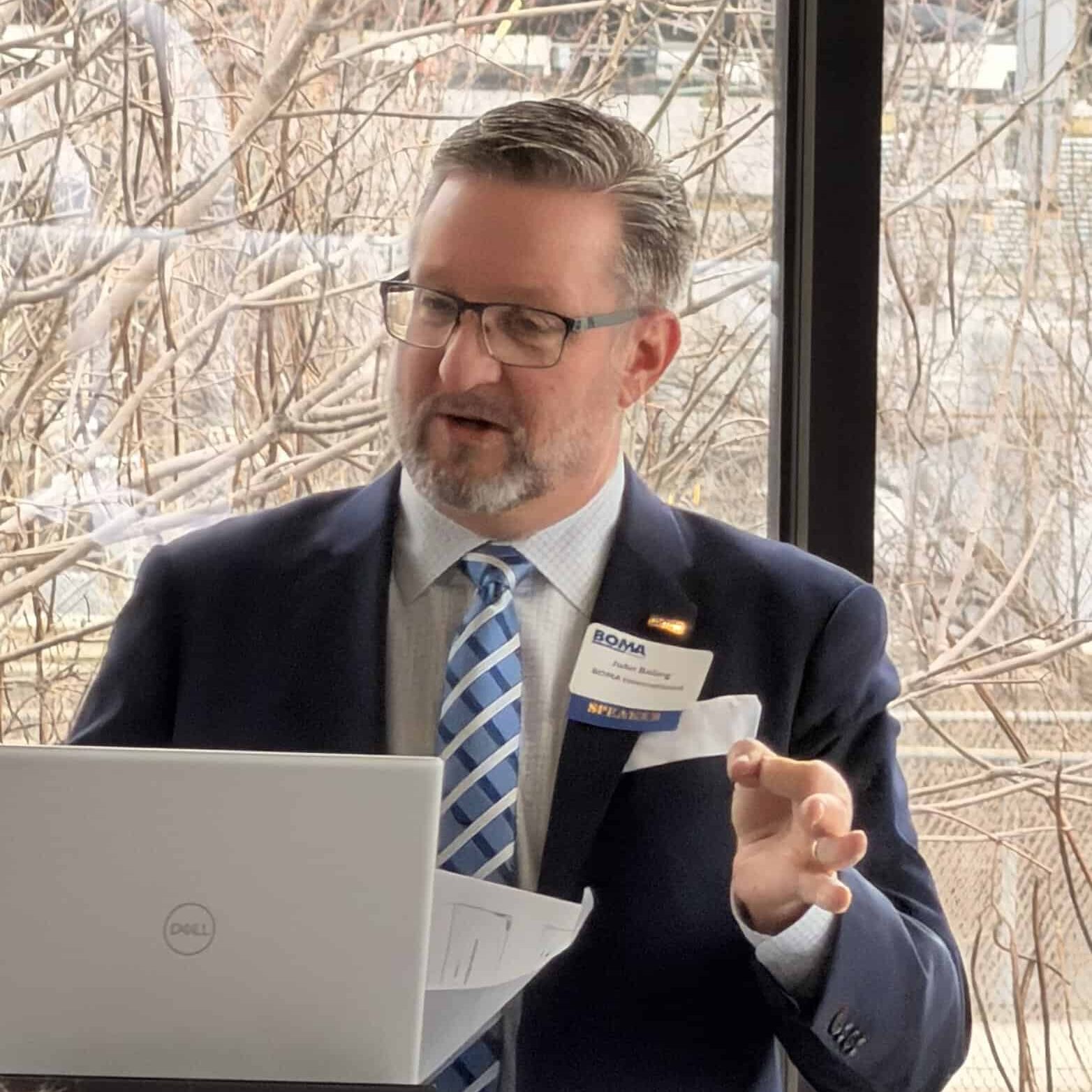
Panelists:
- Ben Evans, Federal Legislative Director, USGBC
- Samantha Slater, Vice President of Government Affairs, AHRI
- Lisa Berger, Senior Manager, Federal Relations, ICC
- John Boling, Vice President of Advocacy and Building Codes, BOMA

10:15-11:00 AM
A Seed-to-Sow Case Study on IAQ Policies in Virginia
This presentation by Emily Porcari, ASHRAE Government Affairs Office, will highlight how indoor air quality related policies in Virginia came to be, starting from inception to realization.
Design Strategies for Resilient Data Centers
This session explores the multi-faceted engineering and design challenges in constructing modern, high-performance data centers, focusing on the critical interplay between mechanical, structural/civil, and acoustic considerations. The session will consist of 3 speakers, a break, and then an in-depth session with an ASHRAE Distinguished Lecturer.
8:00-9:45 AM
Fundamental of Datacenter HVAC Acoustics, Saira Hussain
Abstract: The rapid global expansion of data centers to support growing demand of digital infrastructure has increased attention to their environmental impacts, with a main concern being high noise levels affecting nearby communities. Addressing these impacts begins with an understanding of fundamental acoustic concepts, including how sound is defined and evaluated, before applying them to data centers.
Saira Hussain, Johnson Controls is an Acoustics Engineer in the Sound and Vibration Engineering team, working exclusively in acoustics for datacenters, involved in sound prediction modeling, sound and vibration measurements, application support for HVAC/R equipment, and training customers on fundamental datacenter acoustic principles.

Data Center Civil Engineering Design Considerations, Christine Beyzaei
Christine Beyzaei, Ph.D, P.E., AWS is a civil engineer with a background in field engineering, research, and industry. She specializes in data center design development, focusing on cross-discipline collaboration for effective project delivery.

From Enterprise to AI: How Data Center Design is Evolving, Ameya Soparkar and James Doody
Abstract:Artificial intelligence may be making many jobs easier, but for MEP engineers it has driven the most significant shift to data center design since the rise of cloud computing. Racks are becoming denser, new equipment is being developed, and codes are being amended as a direct result of the rapid expansion of AI-driven facilities. This session provides a high-level technical overview of the modern data center and compares today's AI-focused facilities with traditional enterprise and cloud environments. We will explore changes to power distribution, cooling strategies, resiliency considerations, and the technologies enabling higher-density computing environments. Attendees will leave with a practical understanding how modern data centers operate as well as the various factors that are influencing this new generation of facilities.
Ameya Soparkar, Arup is the Associate Principal and Arup’s Americas East Geography Technology (Data Center) Business Leader in the Washington DC office. He has 18 years’ experience in the data center engineering industry and has designed, commissioned, audited, and masterplanned over 120 projects in more than 35 countries worldwide.
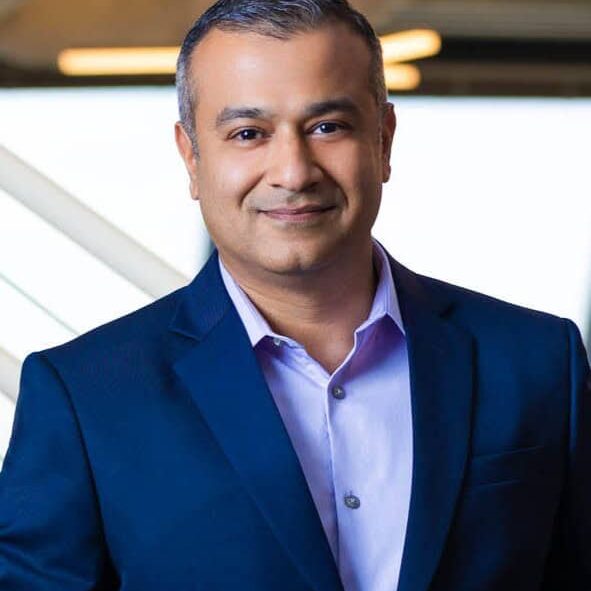
James Doody, Arup is a Mechanical Engineer in Arup’s Washington DC office specializing in mission critical facilities and data center design. Following a year-long secondment with a confidential hyperscale client, he has supported the planning, design, and delivery of projects for hyperscalers, colocation providers, and developers across North America. His experience spans mechanical design, owner advisory services, and multidisciplinary coordination for both traditional and AI-focused data centers.

10:15-11:45 AM
Achieving High-Performance Data Centers: Design, Commissioning, and the Triple Bottom Line, Jim Vallort
Abstract: The data center industry is growing rapidly, driven by increased power densities, AI workloads, and rising user expectations for availability and performance. This presentation explores how design and commissioning work together to deliver the industry's "triple bottom line": performance, energy efficiency, and reliability.
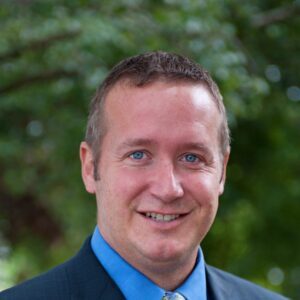
Jim Vallort, ASHRAE DL, Vantage Data Centers is a Senior Director of Quality and Commissioning with over 30 years of experience spanning field trades, engineering design, construction, and development. An ASHRAE Fellow and former Society Vice President, he is a recognized leader in commissioning strategy, currently contributing to Guideline 1.6 and TC 7.9. Jim is known for integrating quality, commissioning, and safety into project delivery, and for mentoring teams to solve complex challenges through a blend of practical experience and engineering expertise.
PM Technical Sessions
Achieving Integrated Resilience and High-Performance IEQ and Plumbing
This session offers a comprehensive look at critical pillars of modern high-performance building management: leveraging advanced digital technologies (AI/IoT) for operational efficiency, adopting an integrated design and management approach for vital building water systems, and maintaining IEQ for building occupants. The session will consist of 3 speakers, a break, and then an in-depth session with two ASHRAE Distinguished Lecturers.
2:00-2:45 PM
From Sensors to Savings: Real-World Case Studies on the ROI of IoT & AI in School Facilities, Serene Almomen
Abstract: Artificial Intelligence (AI) and Internet of Things (IoT) technologies are rapidly entering K–12 school environments, offering new opportunities to improve building performance, indoor environmental quality, and operational efficiency. However, facilities and sustainability teams are often asked to evaluate these solutions without clear guidance on how to measure real return on investment. This presentation provides a practical overview of how IoT and AI technologies are being successfully implemented in school facilities today through real-world case studies from districts across the country.
Serene Almomen, Ph.D, Attune is Co-Founder and CEO of Attune (formerly Senseware), a building monitoring and intelligence platform that helps organizations understand what is happening across their buildings in real time so they can identify issues early and improve system performance over time.

The Role of Design Engineers in Preventing Latent Plumbing Failures
Abstract: Building Domestic Water System (BDWS) designs that meet code minimums and industry standards might not be protective against Legionella propagation and other risks and hazards such as premature system failure, unnecessary water and energy waste, and building occupant complaints. Because WMPs are nearly always developed and implemented post BWDS design and installation, they do not directly and meaningfully address design features that pose risks.
Timothy Bartrand, Ph.D, IAPMO, is the Director of Water Research with more than 25 years of drinking water quality research experience and is working with IAPMO to build a bridge between the water supply and building water communities to promote safe and sustainable water, all the way to the tap, and safe and effective drainage, all the way to the municipal collection system.

3:15-4:45 PM
Weighing the Pig vs. Making it Fly: Improve Energy Performance and Resilience while Improving IEQ through Retro-Commissioning, Wade Conlan
Abstract: A lot of existing building stock needs to be evaluated for the potential high-performance optimization of their control strategies as well as the impact of resilience on those systems. This is even more important with the challenges for net-zero energy or carbon-neutrality in the next few decades. The improvement of the existing building stock, which is often looked at as energy hogs, can be greatly improved through the retro-commissioning process. This session covers the stages of weighing the pig (benchmarking) versus actively making improvements for systems. Actual projects for laboratories, hospitality and gaming, and university facilities will be used to demonstrate how to use retro-commissioning to make your pig fly.
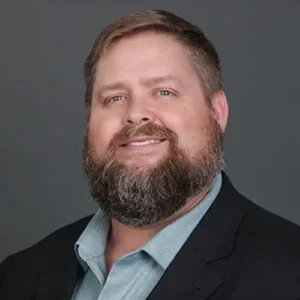
Wade H. Conlan, P.E., BCxP. CxA, LEED AP BD+C, ASHRAE DL, Hanson is Commissioning & Energy Discipline Manager with over 31 years of commissioning and design engineering experience across various building categories, and he is an active leader in ASHRAE, including serving as Society Vice President from 2023-2025 and is the Society Treasurer Nominee for SY 26-27.

Achieving Integrated Resilience and High-Performance IEQ and Plumbing
Abstract: Not airborne particles in transit, but the standing microbial ecosystem that develops in a building over months and years of operation. What types of microbiology practices are used in specific areas? What actions encourage health-neutral spaces? What outdoor biological sites should be excluded from these spaces? The importance of understanding protective environments and the people in them. How can the design and operations control the exposure of microbiomes for at-risk and vulnerable populations.
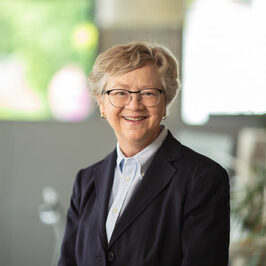
Dr. Linda Lee, ASHRAE DL, UV Angel is the Chief Medical Affairs & Science Officer and a qualified public health professional who, with over 30 years in healthcare, focuses on opportunistic environmental pathogens and is actively involved in numerous ASHRAE committees related to air quality and infection control.
AI-Powered Building Controls: From Reactive Maintenance to Resilient, Standards-Based Operations
This session provides an in-depth look at how Artificial Intelligence (AI) is fundamentally transforming the operation and management of commercial buildings, with a focus on implementing robust, standards-compliant control systems.
1:00-2:45 PM
AI-Driven Predictive Maintenance for Sustainable Infrastructure: Environmental Intelligence for Proactive Field Service Operations, Hirenkumar N. Dholariya
Abstract: The rapid digitalization of commercial real estate has enabled buildings to generate vast volumes of operational data from HVAC systems, energy meters, environmental sensors, and safety infrastructure. Yet much of this data is still used reactively, limiting its value for sustainability and operational performance. This presentation includes an AI-driven predictive maintenance framework designed to transform building operations from reactive response to proactive, intelligence-led service management.
Hirenkumar N. Dholariya, Thermo Fisher Scientific Inc. is a Senior Data Engineering Architect with over 18 years of experience specializing in data engineering, AI, automation, and cloud-based enterprise solutions, including architecting AI-driven platforms like Gene.AI.
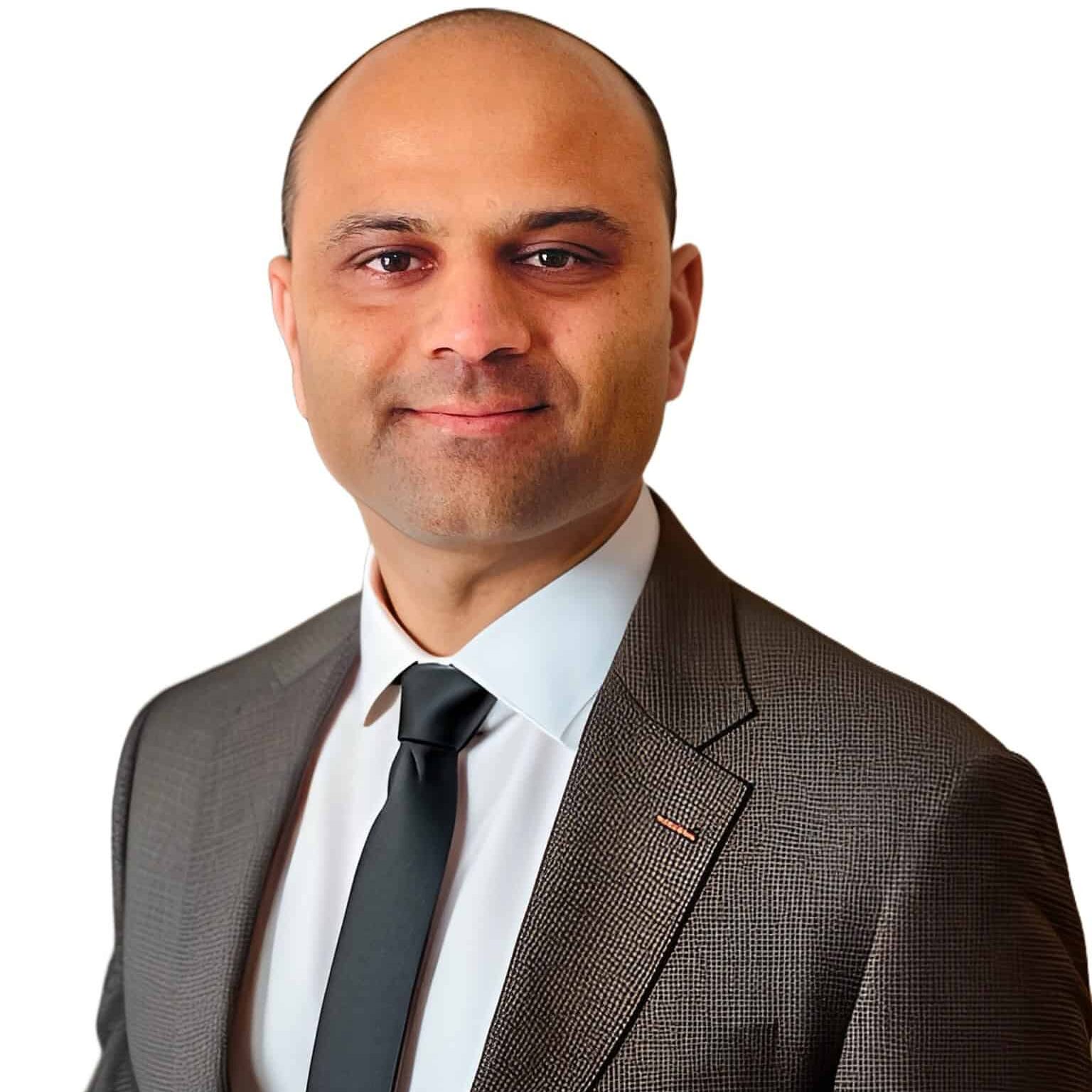
AI-Powered Building Controls: Separating Hype from Reality, Eric Ball
Abstract: Artificial intelligence is rapidly becoming the latest buzzword in commercial building automation, but what capabilities are delivering measurable value today—and what remain marketing hype? This session explores the current state of Fault Detection & Diagnostics (FDD), cloud analytics, and AI-enabled building optimization, examining how current technologies are helping owners improve reliability, reduce energy consumption, and proactively identify system issues.
Through real world examples, attendees will learn how today's analytics platforms work, where AI is genuinely enhancing building operations, and what emerging technologies will transform the industry over the next several years. The discussion concludes with practical guidance on preparing BAS infrastructure today to take advantage of tomorrow's AI-driven capabilities.
Eric Ball is the President of Havtech Solutions & ACES Controls, where he drives regional leadership in commercial HVAC, smart building automation, and IoT systems. He brings a strong technical and strategic background to his role, having previously served as District General Manager at Honeywell and held operations leadership roles at enterprise technology firms.
AI-Powered Building Controls: From Reactive Maintenance to Resilient, Standards-Based Operations, Greg Pavlak
Dr. Greg Pavlak, Ph.D is an associate professor of architectural engineering and IEE faculty member [at the Pennsylvania State University] whose research focuses on building mechanical systems. His research interests include smart building systems, building-to-grid integration, and distributed and renewable energy.
3:15-4:45 PM
Integrating AI into Building Systems
The HVAC industry is incorporating AI to improve the performance and reduce the cost of building systems and operations, including in the areas of system reliability (FDD), cybersecurity, control, grid services, and indoor environmental quality. The AI for Building Systems Innovation (AIBSI) program at NIST is working with industry to develop the measurement science needed to realize cost-effective building operation through integrated sensors and building control systems with distributed AI-enabled intelligence that can optimize building system performance, detect and respond to equipment failures and sub-optimal performance, and enable integration of building systems with electric grid technologies.
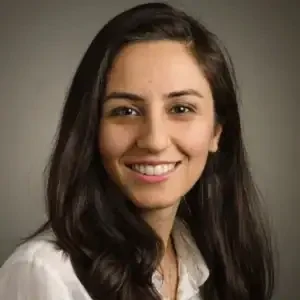

Parastoo Delgoshaei, Ph.D is a research engineer at NIST with a specific focus on leveraging machine learning algorithms to extract insights from data related to building environments. Her research is dedicated to advancing knowledge representation for building data, with the goal of creating intelligent systems for efficient building management and sustainability.
Dr. Amanda Pertzborn, Ph.D is a research engineer at NIST and the Principal Investigator for the Intelligent Building Agents Laboratory (IBAL), a facility focused on advanced controls in commercial HVAC equipment for testing and evaluating different control approaches.
Thank You to Our Current Sponsors!
Washington Sponsor

Jefferson Sponsor


Kennedy Sponsors


Independence Sponsors




What is a CRC?
A Chapter Regional Conference (CRC) is the annual gathering of ASHRAE members within a specific region, designed to bring together chapter leaders, regional officers, Society representatives, and members for collaboration, training, and networking.
CRC events serve multiple purposes:
- Leadership Development: Officers, committee chairs, and volunteers attend training sessions to strengthen chapter operations and leadership skills.
- Society and Regional Business: Delegates vote on regional motions, discuss Society policy updates, and share best practices among chapters.
- Technical Exchange: Attendees participate in seminars, technical tours, and presentations to stay informed on the latest industry trends and innovations.
- Recognition and Awards: Chapters and individuals are honored for achievements in membership, technology transfer, research promotion, and community outreach.
- Networking and Social Events: CRCs offer plenty of opportunities to connect with peers, build professional relationships, and enjoy the host city’s culture.